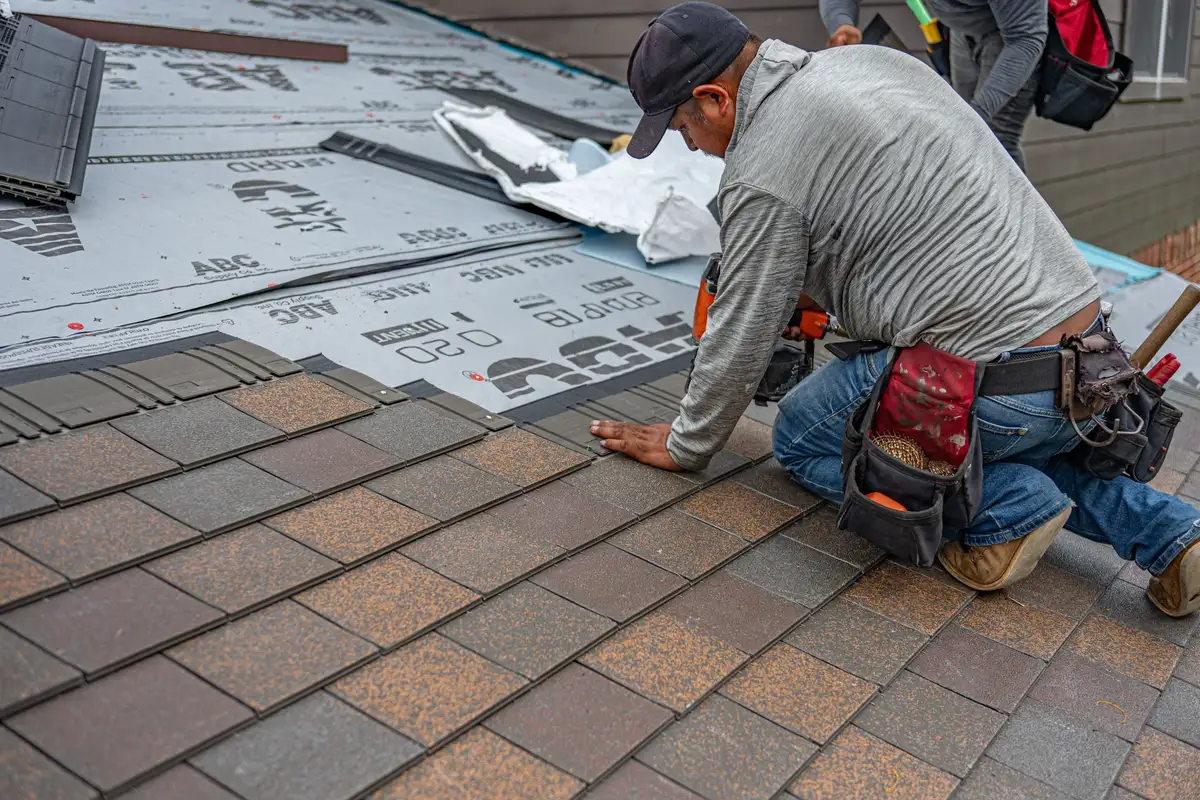
What affects the price
- Size. Roofs are priced by the square (100 square feet of roof surface).
- Pitch. Steep roofs need more safety gear and labor, which is common on mountain homes.
- Tear-off. Two or more existing layers take longer to remove and dispose of.
- Decking. Rotted or damaged decking has to be replaced before the new roof goes on.
- Material. Architectural shingles cost less up front than standing-seam metal.
- Complexity. Valleys, dormers, chimneys and skylights add flashing work.
- Access. Steep driveways and tight lots can slow material delivery and cleanup.
Typical price ranges
| Roof type | Typical range |
|---|---|
| Architectural shingle replacement | [$ per square] |
| Standing-seam metal | [$ per square] |
| Exposed-fastener metal | [$ per square] |
| Common repairs (pipe boot, flashing, shingles) | [$ range] |
Every roof is different. A free inspection gets you an exact, written price.
How to compare roofing quotes
Two quotes can look thousands of dollars apart because they aren’t for the same roof. Check that each one spells out:
- Full tear-off, or a layover on top of the old roof
- Underlayment type, and where ice and water shield goes
- New flashing, or reused flashing
- Ventilation: ridge vent and intake
- How rotted decking is priced, per sheet
- Workmanship warranty length, plus the manufacturer warranty
- Permit, disposal and cleanup
Ways to manage the cost
- Repair instead of replace when the roof still has life left. See roof repair
- If the damage came from a storm, your insurance may cover it. See storm damage claims
- Plan ahead: replacing before a failure avoids emergency interior repairs